How to Budget in College (Budget Templates Included)
Table of Contents
Toggle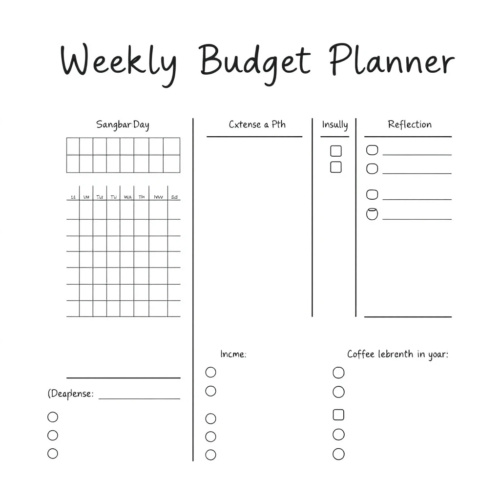
Budgeting in college doesn’t have to be overwhelming. In fact, when done right, it can give you more freedom—not less. Whether you’re trying to stretch your financial aid, make your part-time income last longer, or just want to avoid living on ramen by week three, this guide is here to help.
Why Budgeting in College Matters
College life comes with a whirlwind of expenses. Tuition, rent, books, coffee runs, late-night food orders, and the occasional concert or weekend trip can drain your wallet faster than you realize. Without a plan, money slips away.
If you’re attending a public university, you’re probably looking at yearly costs close to $28,000 when you factor in tuition, housing, meals, and everything in between. That’s a huge amount to juggle—especially when you’re just starting out at 18 or 19.
Step 1: Know Where Your Money Comes From
Start by listing all your sources of income:
Financial aid and grants
Part-time jobs or freelance gigs
Scholarships (like our scholarship)
Support from family
Side hustles (tutoring, reselling books, etc.)
Knowing exactly what’s coming in is the first step to gaining control over your budget.
Step 2: Track Every Dollar You Spend
Spend a week or two writing down every single expense. Yes, even the $3 coffee. Use tools like:
Google Sheets
Mint
YNAB (You Need a Budget)
Your phone’s Notes app
Example: Sarah, a sophomore, realized she was spending $80/month on food delivery. That one insight helped her save $40 a month by meal prepping.
Step 3: Categorize Your Spending
Break it into categories like:
Fixed costs: Rent, phone bill, transportation
Variable costs: Groceries, entertainment, eating out
Savings: Emergency fund, textbooks, travel fund
You can use the 50/30/20 Rule:
50% = Needs (rent, bills, food)
30% = Wants (social life, subscriptions)
20% = Savings & debt payments
Step 4: Set a Realistic Monthly Budget
Once you know your average spending, assign limits to each category. It doesn’t have to be perfect—just honest and flexible.
Sample Budget (Monthly):
Rent: $600
Groceries: $200
Transportation: $80
Phone/Internet: $70
Entertainment: $60
Eating Out: $50
Savings: $100
Miscellaneous: $40
Step 5: Use Our Free Student Budget Templates
We’ve put together simple, effective tools to help you stay on track:
They’re easy to use, mobile-friendly, and totally free.
Smart Money-Saving Tips for College Students
Use your student ID for discounts (Spotify, Amazon, clothing brands, museums, etc.)
Buy or rent used textbooks from Chegg, Amazon, or student groups
Split subscriptions with roommates
Meal prep 3x per week and shop with a list
Apply for scholarships early (like ours here)
Apps That Make Budgeting Easier
Mint – Automatic expense tracking
YNAB – Best for goal-setting and real-time updates
Splitwise – Great for roommates
PocketGuard – Tells you what you can safely spend
Google Calendar – Use for bill reminders
If You Overspend? No Shame, Just Adjust.
Budgeting isn’t something you get right overnight. It’s more about paying attention to where your money’s going than trying to be perfect with every dollar.
If you go over, don’t beat yourself up. Check where you slipped, learn from it, and reset. That’s how progress works.
Final Thoughts
Budgeting isn’t about restriction. It’s about reducing stress, avoiding surprises, and giving yourself more freedom in the long run.
Pair your budget with our Student Success Toolkit and make the most of your college years—without the money stress.
Need help with scholarships? Don’t forget to check out our Student Scholarship Program open to all U.S. college students.